Berlinale Camera
Awardees of previous editions
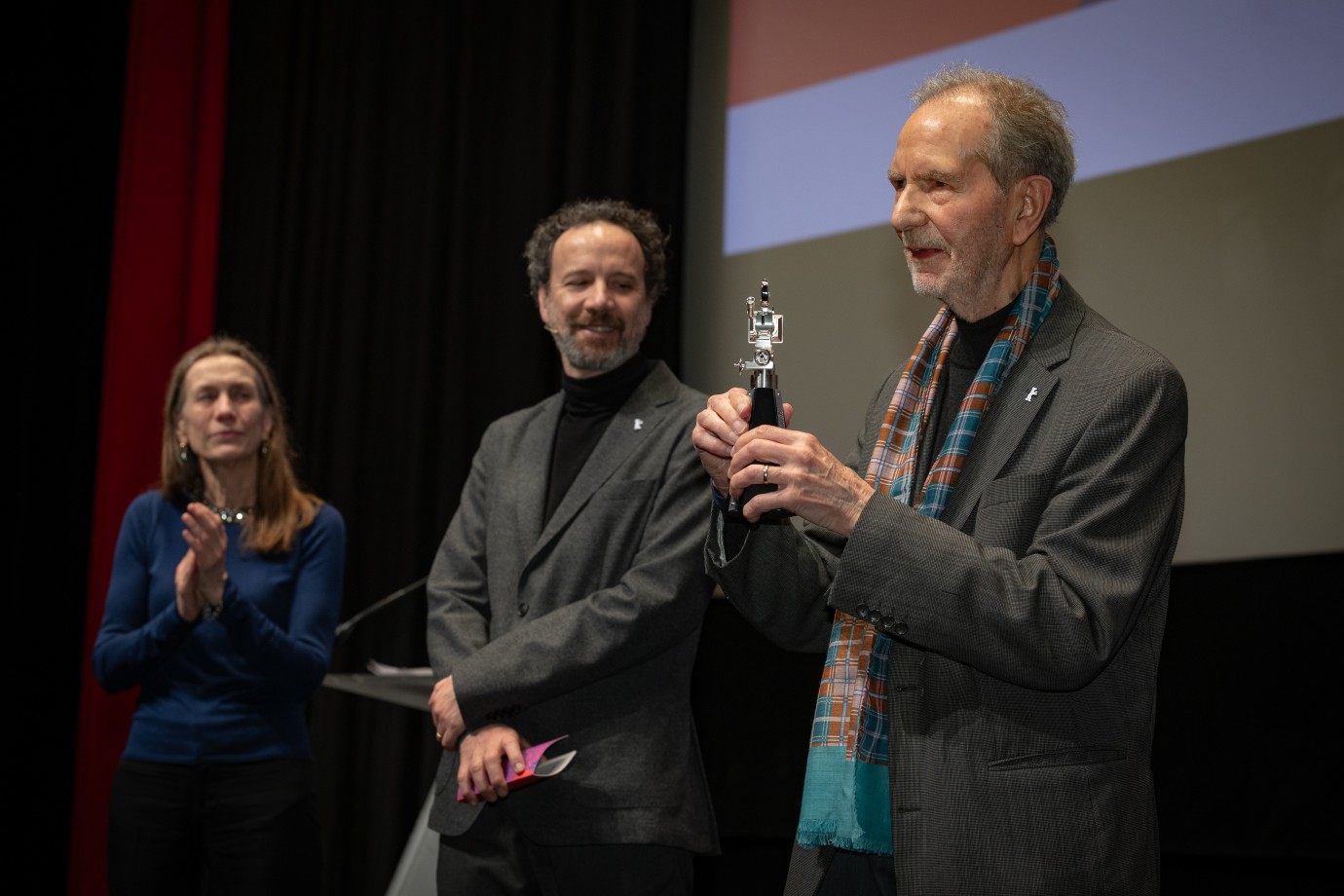
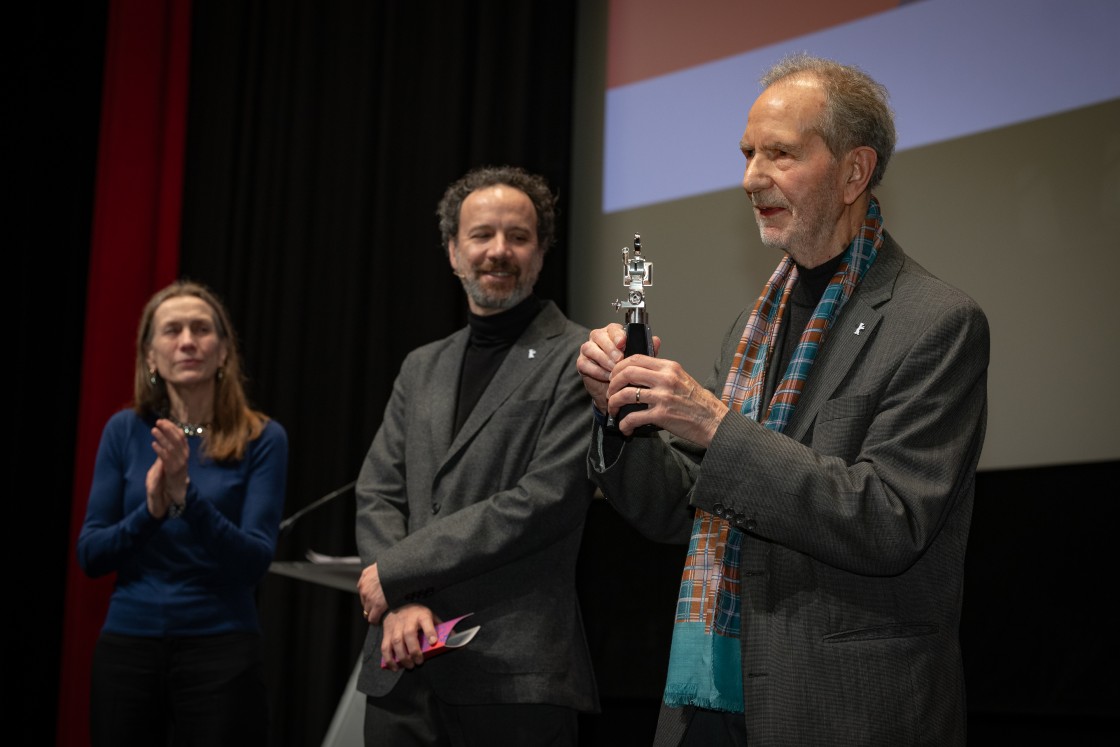
Mariëtte Rissenbeek, Carlo Chatrian, Edgar Reitz
The Berlinale Directors with the awardee in the Haus der Berliner Festspiele.
Filmstunde_23 · Berlinale Special · Berlinale Camera · Feb 22, 2024

Carlo Chatrian, Ulrike Ottinger, Mariette Rissenbeek, Yoko Tawada
At the Award Ceremony in the Haus der Berliner Festspiele.
Paris Calligrammes · Berlinale Special · Berlinale Camera · Feb 22, 2020
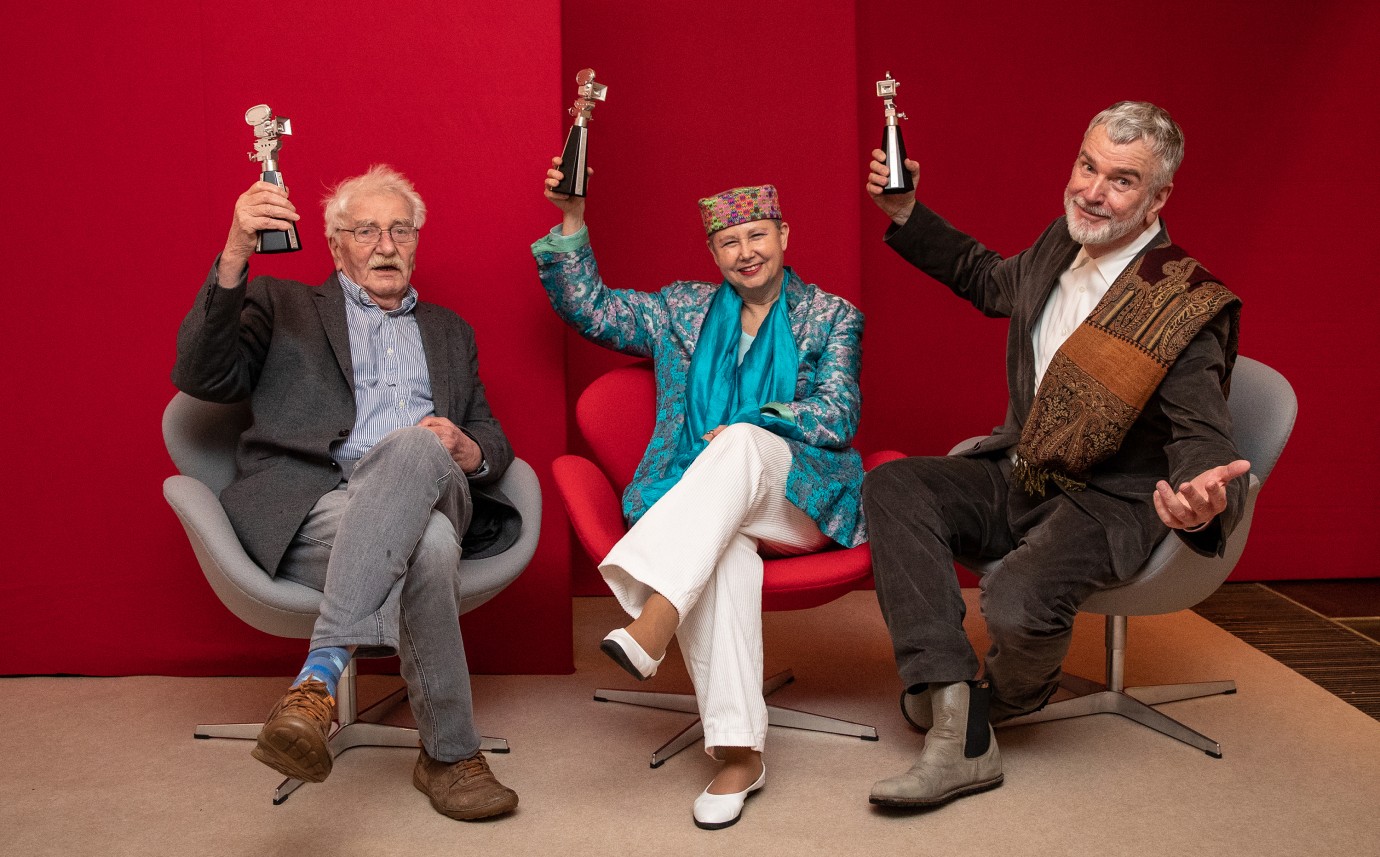
Herrmann Zschoche, Sandra Schulberg, Wieland Speck
Three of the 2019 laureates.
Berlinale Camera · Feb 10, 2019
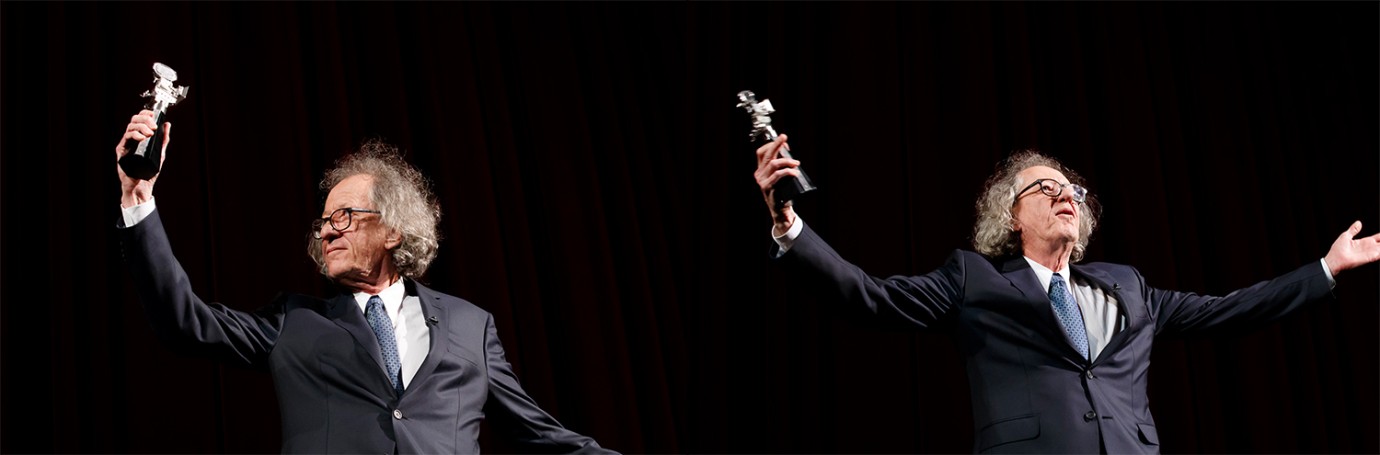
Geoffrey Rush
The moment of triumph.
Final Portrait · Competition · Berlinale Camera · Feb 11, 2017
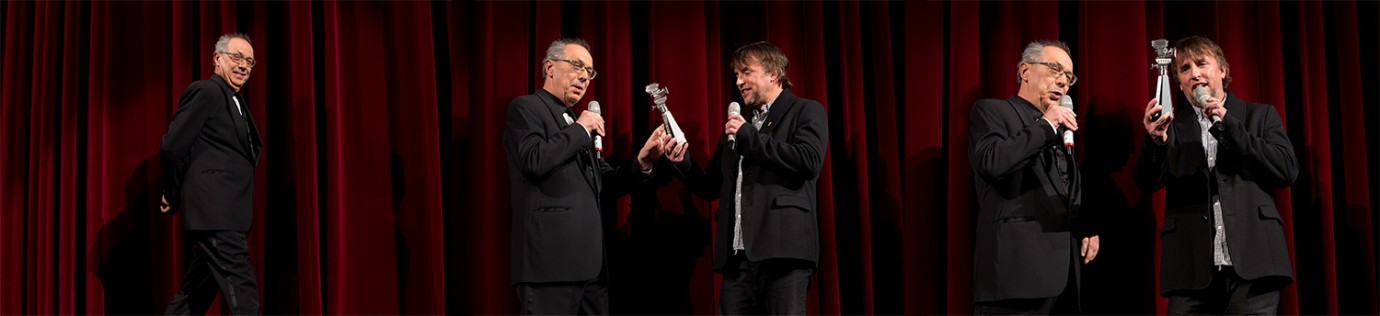
Dieter Kosslick, Richard Linklater
Surprise! The Festival Director awarded the director a Berlinale Kamera.
Before Midnight · Competition · Feb 11, 2013

Beki Probst
The President of the European Film Market with the Berlinale Camera in the Martin-Gropius-Bau.
Berlinale Camera · Feb 16, 2018
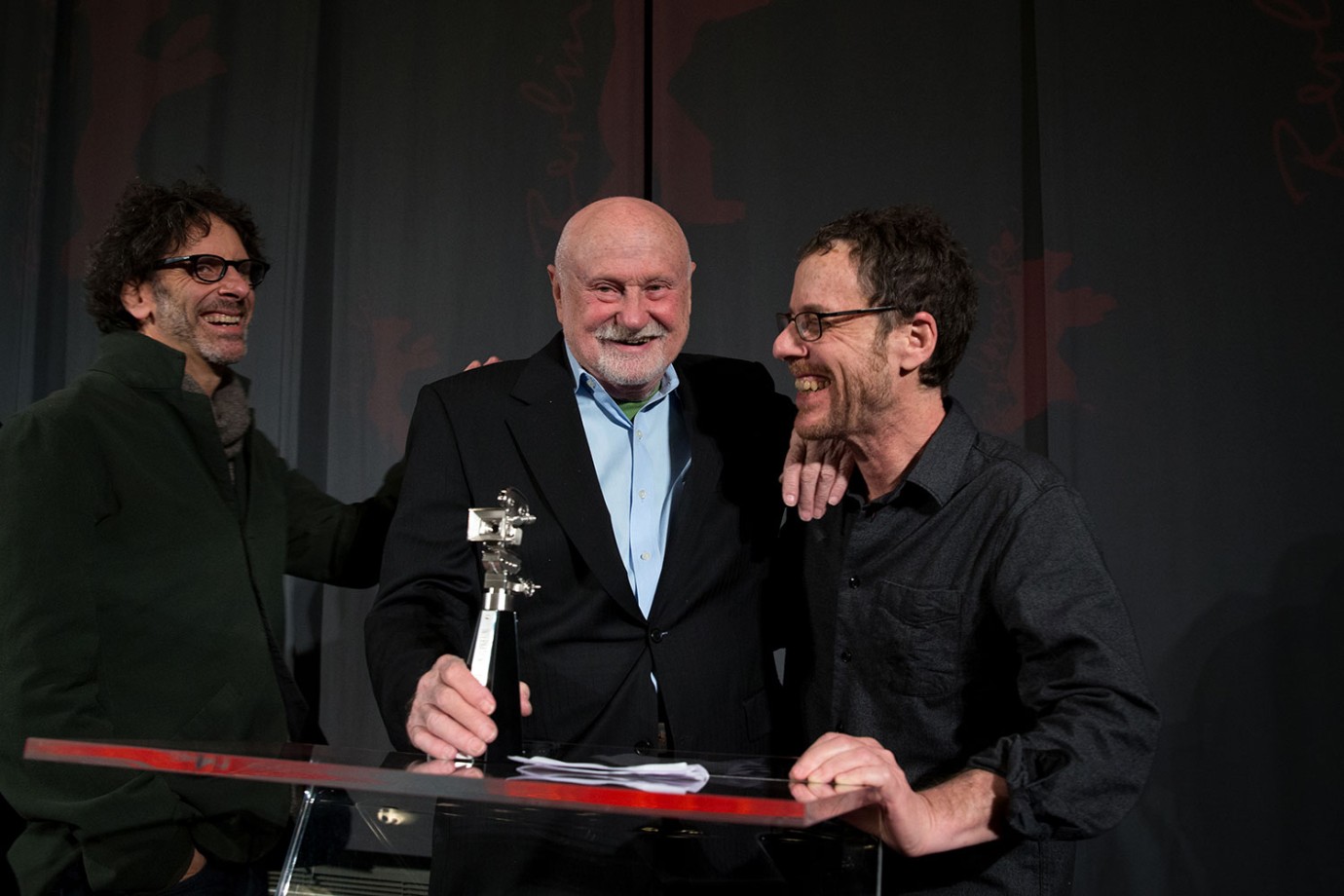
Joel Coen, Ben Barenholtz, Ethan Coen
The award winner together with the two directors who hold the honorific speech.
Berlinale Camera · Feb 12, 2016
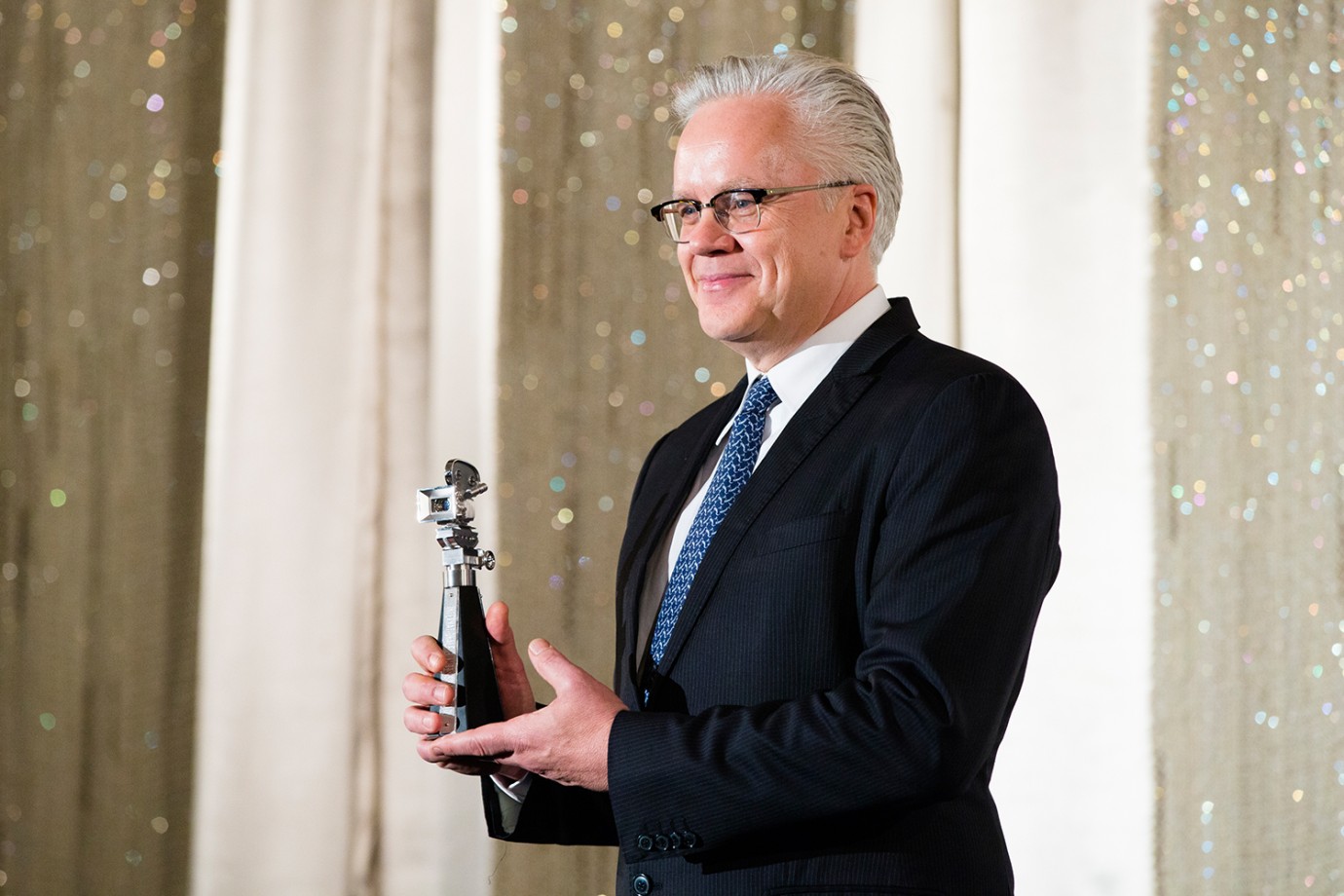
Tim Robbins
The proud awardee.
Dead Man Walking · Berlinale Camera · Feb 13, 2016
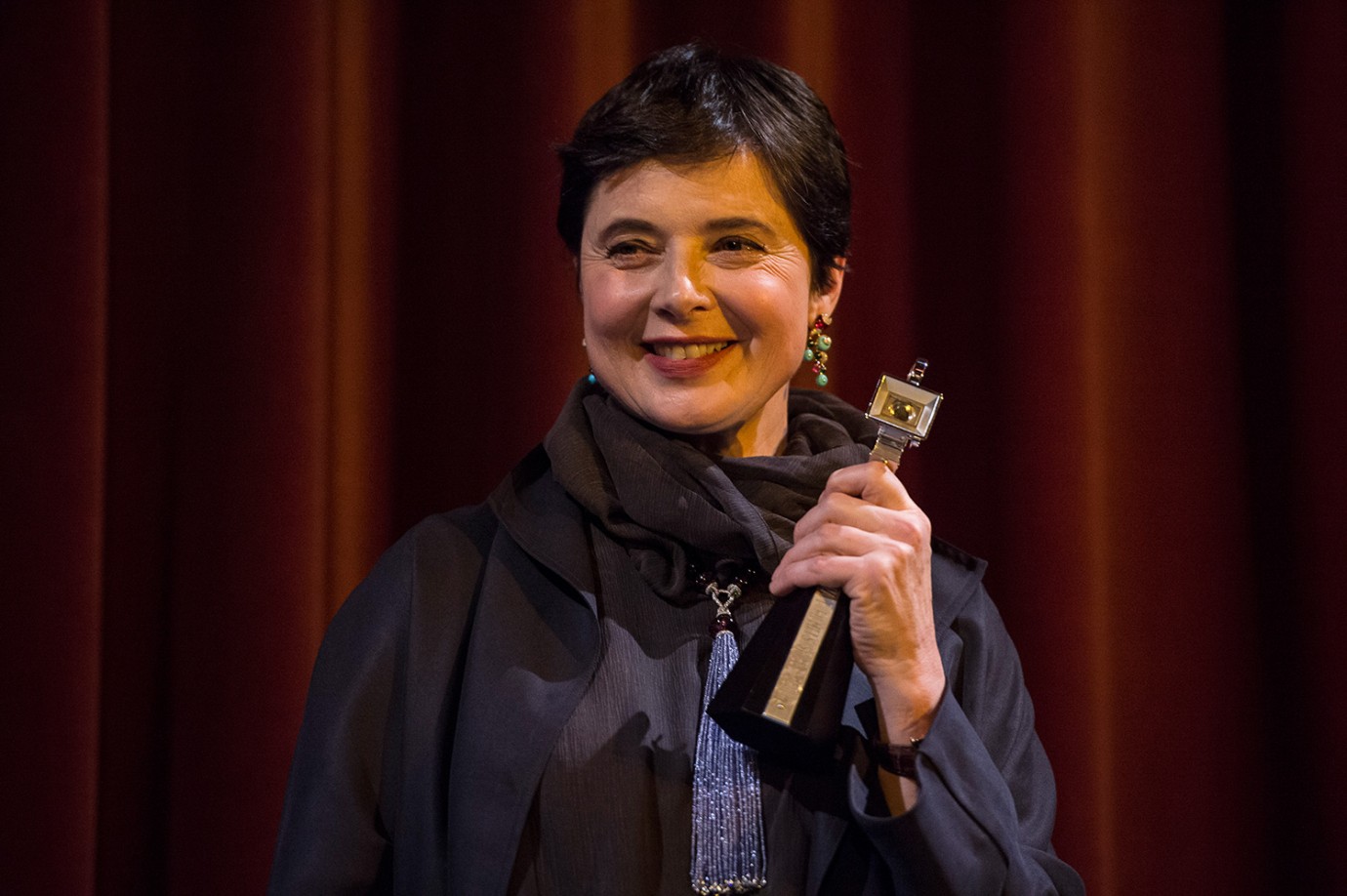
Isabella Rossellini
One of the most renowned figures of international cinema: the actress, producer and director has been awarded the Berlinale Camera.
Mammas · Forum Expanded · Berlinale Camera · Feb 09, 2013
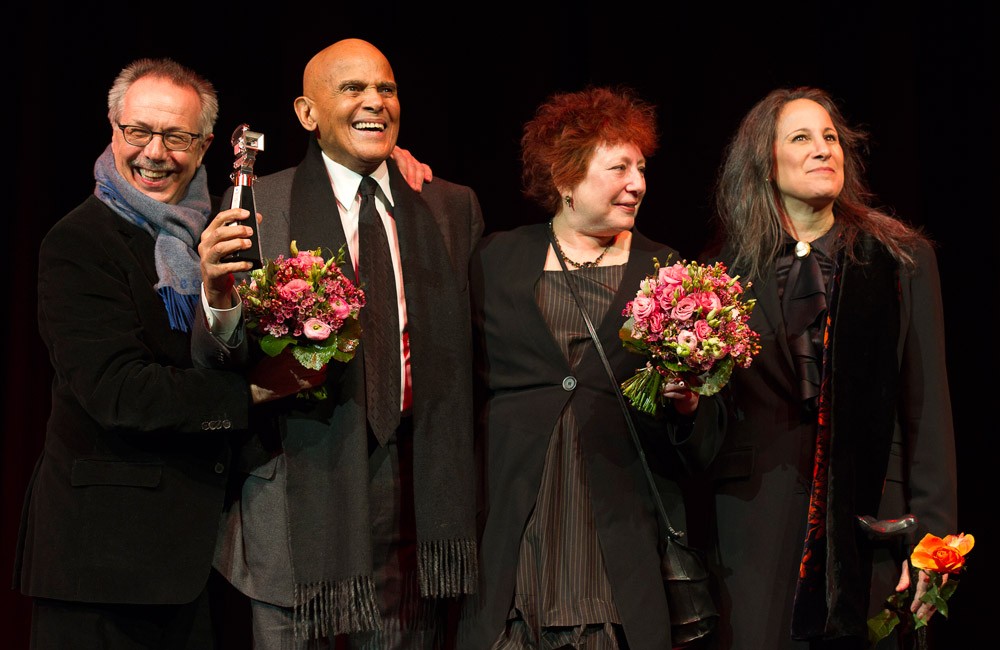
Dieter Kosslick, Harry Belafonte, Susanne Rostock, Gina Belafonte
The festival director, the singer, the director and the producer on stage in the Friedrichstadtpalast.
Sing Your Song · Berlinale Special · Berlinale Camera · Feb 13, 2011
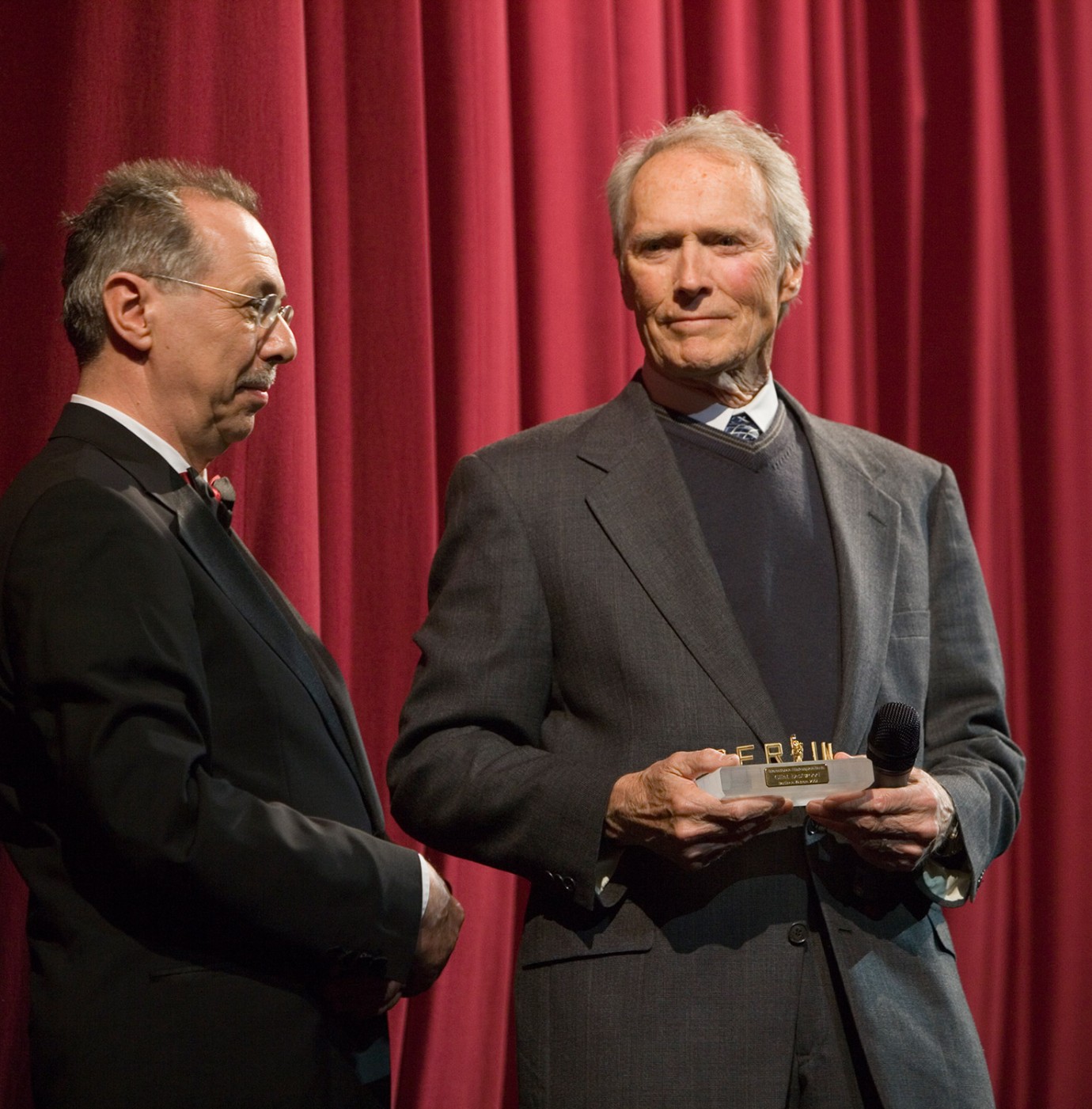
Dieter Kosslick, Clint Eastwood
As a special surprise after the premiere of Letters from Iwo Jima, Berlinale-Direktor Dieter Kosslick awards Clint Eastwood a Berlinale Camera.
Letters From Iwo Jima · Competition · Berlinale Palast · Berlinale Camera · Feb 11, 2007
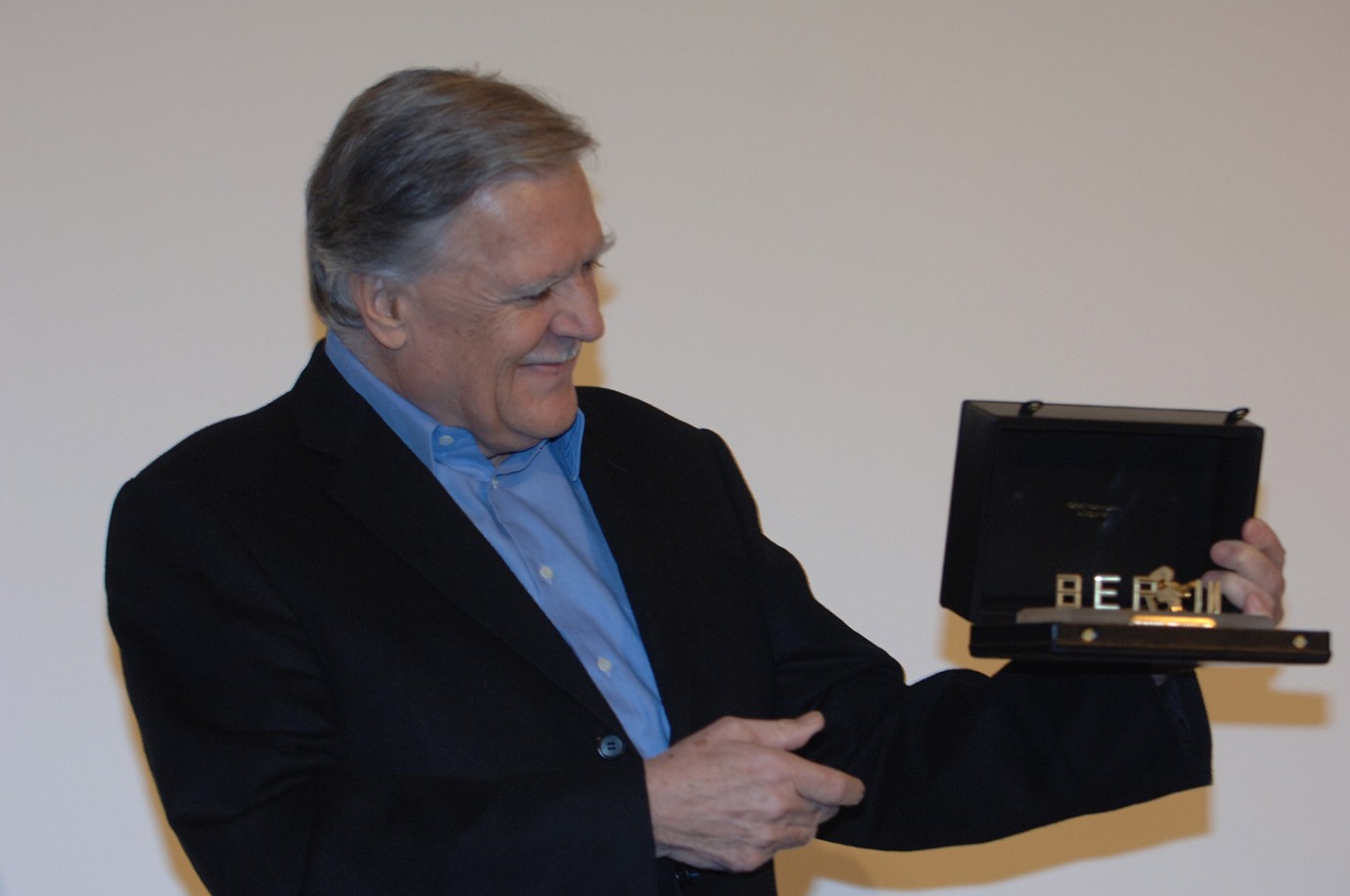
Michael Ballhaus
Cinematographer Michael Ballhaus receives a Berlinale Camera, an award especially for those who the festival feels the need to say 'Thank you' to.
Berlinale Camera · Feb 12, 2006
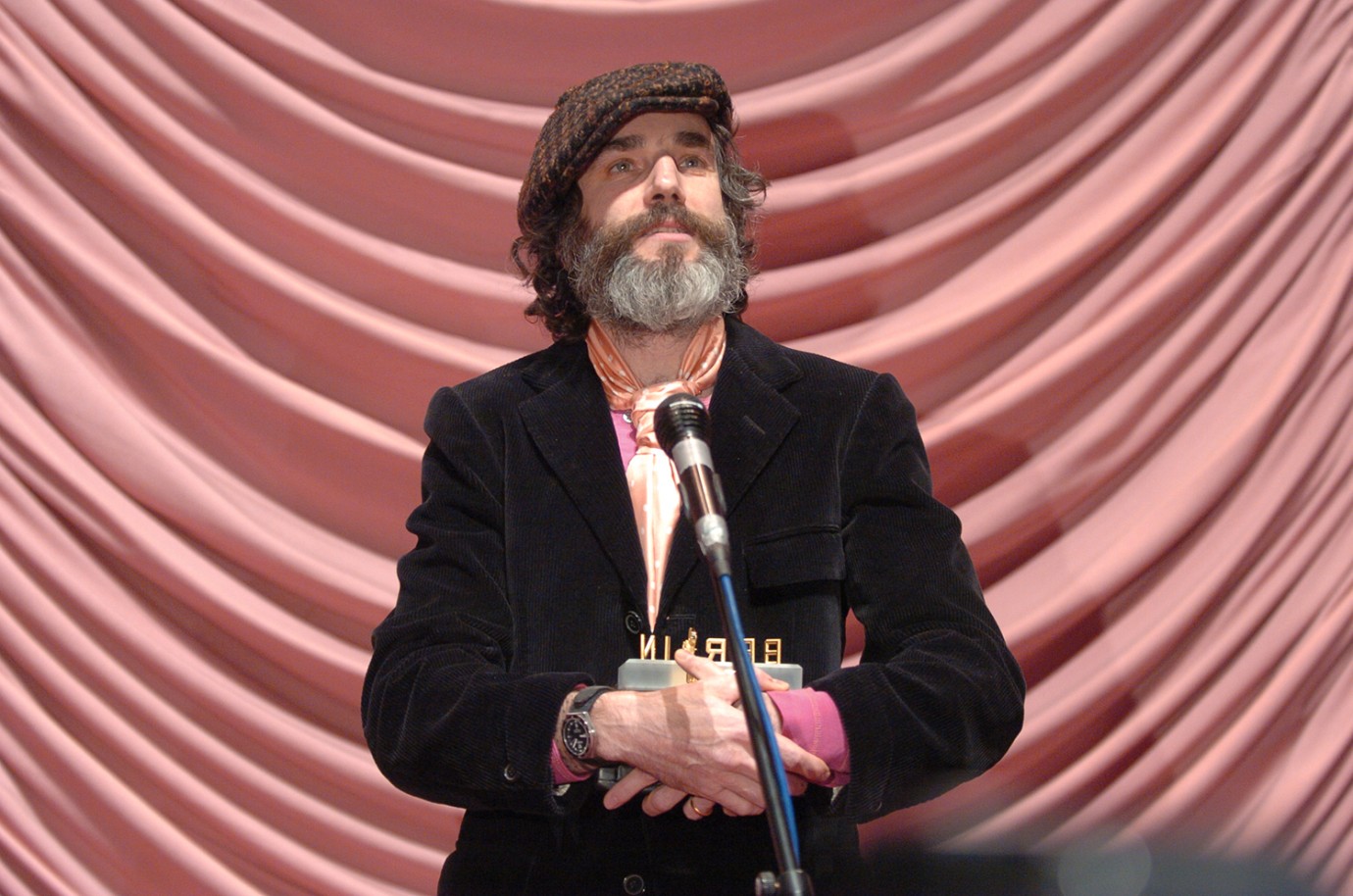
Daniel Day-Lewis
Daniel Day-Lewis wird mit einer Berlinale Kamera geehrt. Die Auszeichnung wird seit 2004 von dem Düsseldorfer Juwelier Hornemann gefertigt und gestiftet.
The Ballad Of Jack And Rose · Panorama · Berlinale Camera · Feb 15, 2005
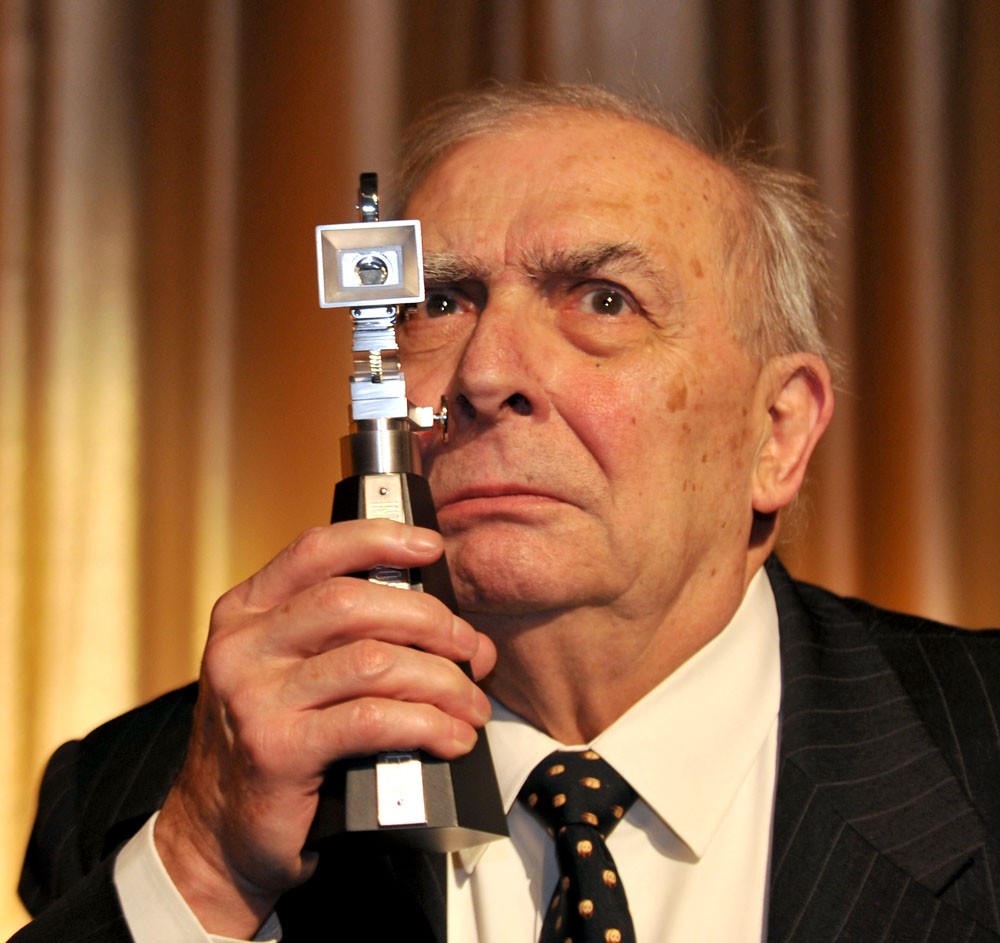
Claude Chabrol
Claude Chabrol with his Berlinale Kamera.
Berlinale Camera · Feb 08, 2009

Erika Rabau, Dieter Kosslick
Erika Rabau revelling, Dieter Kosslick applauding.
Festival Impressions · Berlinale Camera · Feb 10, 2004
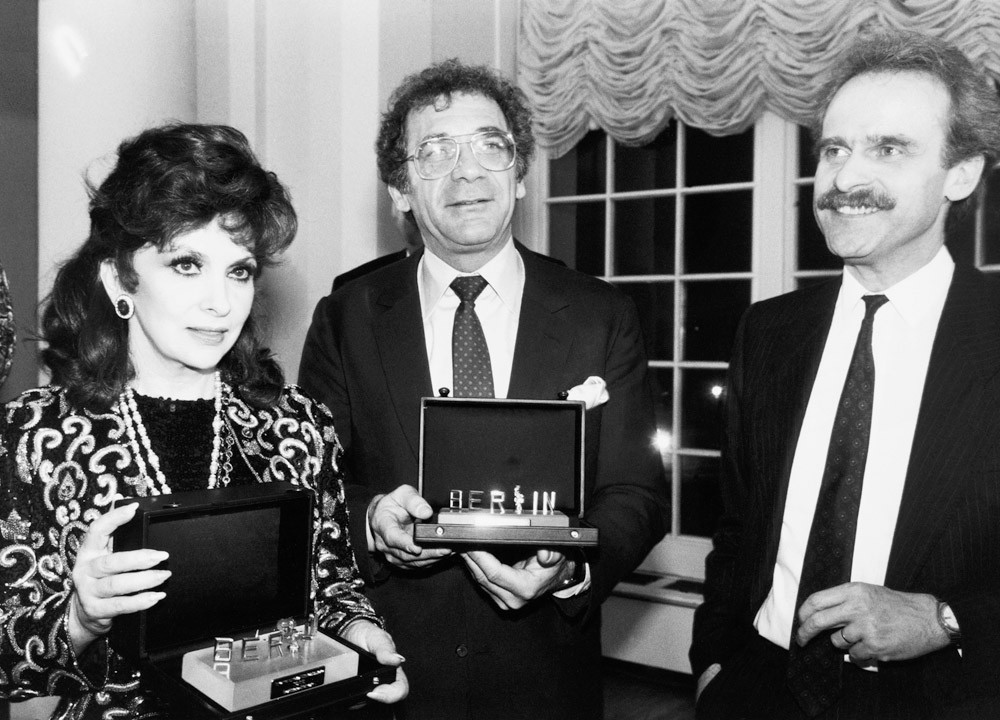
Gina Lollobrigida, Sydney Pollack, Volker Hassemer
Berlinale 1986
Festival Impressions · Berlinale Camera · 1986
Erika Rabau © Stiftung Deutsche Kinemathek / Internationale Filmfestspiele Berlin
By awarding the Berlinale Camera, the Berlinale pays tribute to personalities and institutions that have made a unique contribution to film and to whom the festival feels especially close. This way, the Berlinale expresses its gratitude to those who have become great friends and supporters of the festival.
Great personalities from the history of film such as Isabella Rossellini, Michael Ballhaus, Claude Chabrol, Jodie Foster, Otto Sander, Karlheinz Böhm, Clint Eastwood, Gina Lollobrigida, Sydney Pollack and Curt Siodmak have received the Berlinale Camera. The festival also honours institutions such as the traditional Noack Foundry, which has produced the Bear trophies since the very first Berlinale.
Award Winners from earlier festival years are available in the archive.
The Trophy
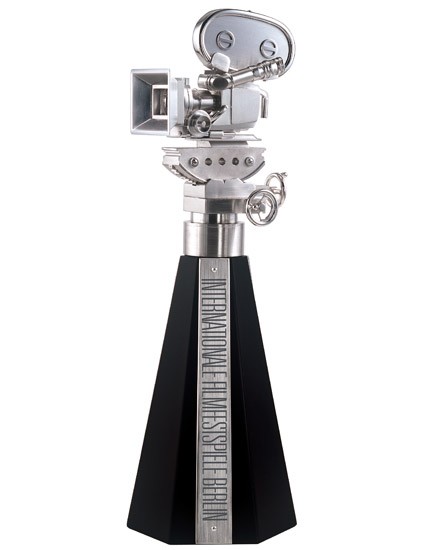
The Berlinale Camera has been awarded since 1986. Until 2003, it was donated by Berlin-based jeweller David Goldberg. From 2004 through 2013, Georg Hornemann Objects, a Dusseldorf-based atelier, sponsored the trophy, which goldsmith Hornemann redesigned for the Berlinale in 2008: Modelled on a real camera, the Berlinale Camera now has 128 finely crafted components. Many of these silver and titanium parts, such as the swivel head and tripod, are movable.